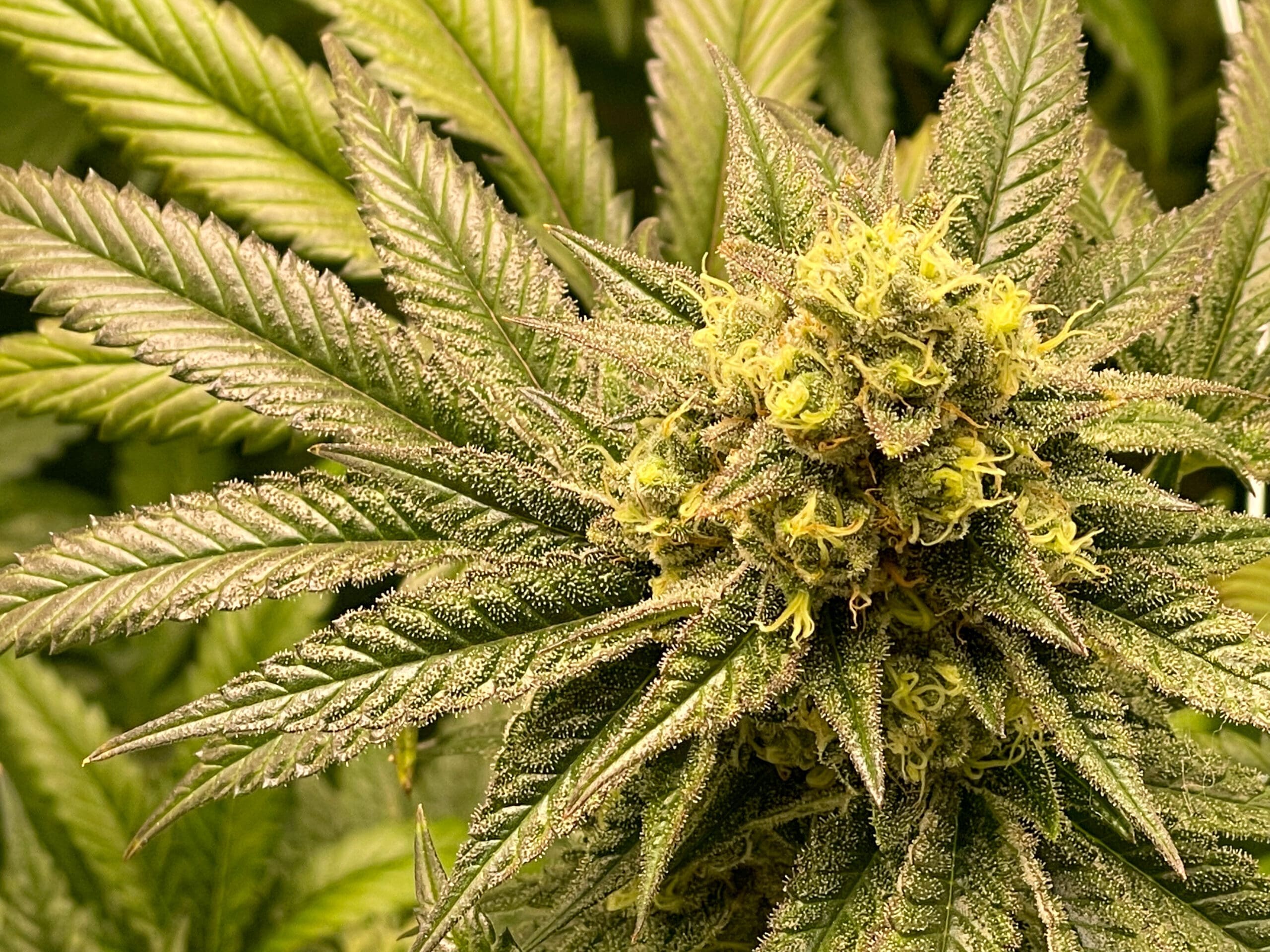
Indica, Sativa, and Hybrid are the most common labels used to describe cannabis, and for many people they act as a shortcut for choosing a strain. Indica is often associated with relaxation, Sativa with energy, and Hybrid with a balance between the two. While these ideas can be helpful at a glance, they don’t fully explain why a strain makes you feel the way it does. These labels are better understood as starting points rather than promises.
Where the Labels Originally Came From
The terms Indica and Sativa were originally created to describe how cannabis plants grew, not how they felt when consumed. Sativa plants evolved in warm climates and tended to grow tall with narrow leaves and longer flowering cycles. Indica plants developed in cooler, mountainous regions and grew shorter, bushier, and faster. These distinctions mattered primarily to cultivators, but over time they became associated with consumer experiences.
How Effects Became Attached to Plant Types
As cannabis use became more widespread, people began noticing patterns in how certain plants made them feel. Many strains labeled Indica seemed to promote physical relaxation, while Sativa strains were described as more mentally stimulating. These observations became part of cannabis culture and marketing, even though they were never scientifically precise. Over time, the industry adopted these associations as a way to simplify a very complex plant.
Why Genetics Alone Don’t Tell the Whole Story
Modern cannabis has been crossbred for decades, which means that most strains on the market today are hybrids at a genetic level. Pure Indica or pure Sativa plants are extremely rare. Because of this, the way a strain affects you has less to do with its genetic lineage and more to do with its chemical composition. The label may hint at the experience, but it does not define it.
The Role of Cannabinoids and Terpenes
The real drivers behind a cannabis experience are cannabinoids and terpenes. THC is the primary compound responsible for psychoactive effects, while CBD and other cannabinoids can influence how intense or balanced those effects feel. Terpenes, which are responsible for aroma and flavor, also play a major role in shaping how a strain feels. Certain terpene profiles are commonly associated with calming effects, while others tend to feel uplifting or mentally stimulating, regardless of the Indica or Sativa label.
What Hybrid Really Means Today
Hybrid simply means that a strain is the result of crossbreeding, which applies to nearly all modern cannabis. Some hybrids lean toward relaxation, others toward energy, and many are designed to offer versatility. Rather than being a vague category, Hybrid reflects the flexibility of the plant and the wide range of experiences it can offer. It allows cultivators to create strains that fit specific moods, moments, or lifestyles.
Why These Labels Still Matter
Even though they are imperfect, Indica, Sativa, and Hybrid labels still serve an important purpose. They make cannabis more approachable, especially for people who are newer to the plant. These categories help set expectations in the same way genres help guide music or film choices. They don’t explain everything, but they give consumers a place to start.
Choosing Cannabis With Intention
The best way to choose cannabis is to think beyond the label and focus on how you want to feel. Personal tolerance, mood, environment, and individual body chemistry all influence the experience. The same strain can feel different from one day to the next, which is part of what makes cannabis such a personal and evolving plant. Learning what works for you is more valuable than relying on any single category.
Indica, Sativa, and Hybrid are not outdated concepts, but they are not the full story. They are guides that help orient you, not rules that define your experience. When you understand what’s behind the label, you can connect more deeply with the plant and choose strains that truly match your moment. At the end of the day, the best cannabis experience comes from curiosity, awareness, and respect for the plant itself.